
Premises Liability Trends in Georgia: How Property Safety Laws Are Evolving
Property safety laws in Georgia are changing — and both injury victims and property owners need to understand what these evolving legal standards mean. Over the past few years, Georgia courts and lawmakers have reshaped how premises liability cases are evaluated, especially when it comes to negligent security, lighting, inspections, and hazard prevention.
At Brandon Smith Law, we help injured clients across Georgia understand their rights when unsafe property conditions lead to serious injuries. If you were hurt at a business, apartment complex, parking lot, or private property, knowing how Georgia premises liability laws are evolving could make a critical difference in your case.
Understanding the Foundation of Georgia Premises Liability Law
Georgia premises liability law is built on a simple legal principle: property owners must exercise ordinary care to keep their premises reasonably safe for visitors. This duty includes inspecting property conditions, fixing hazards, and warning guests of dangers that may not be obvious.
However, the level of responsibility depends on the visitor’s legal status:
Invitees (customers, clients, or patrons) receive the highest level of protection.
Licensees (social guests) receive limited protections.
Trespassers typically have minimal legal protections unless intentional harm occurs.
While these core rules remain in place, new court decisions and legislative reforms are changing how liability is evaluated — particularly in cases involving crime, security measures, and foreseeable risks.
Trend #1: Growing Expectations for Property Security and Crime Prevention
One of the biggest shifts in Georgia premises liability law involves negligent security cases — situations where someone is injured because a property owner failed to provide reasonable protection against foreseeable criminal acts.
A major Georgia Supreme Court decision expanded how courts evaluate foreseeability. Instead of requiring proof of nearly identical past crimes, courts may consider the “totality of the circumstances” when deciding whether a property owner should have anticipated danger.
This evolving approach means property owners may need to take more proactive safety measures, such as:
Installing adequate lighting in parking areas
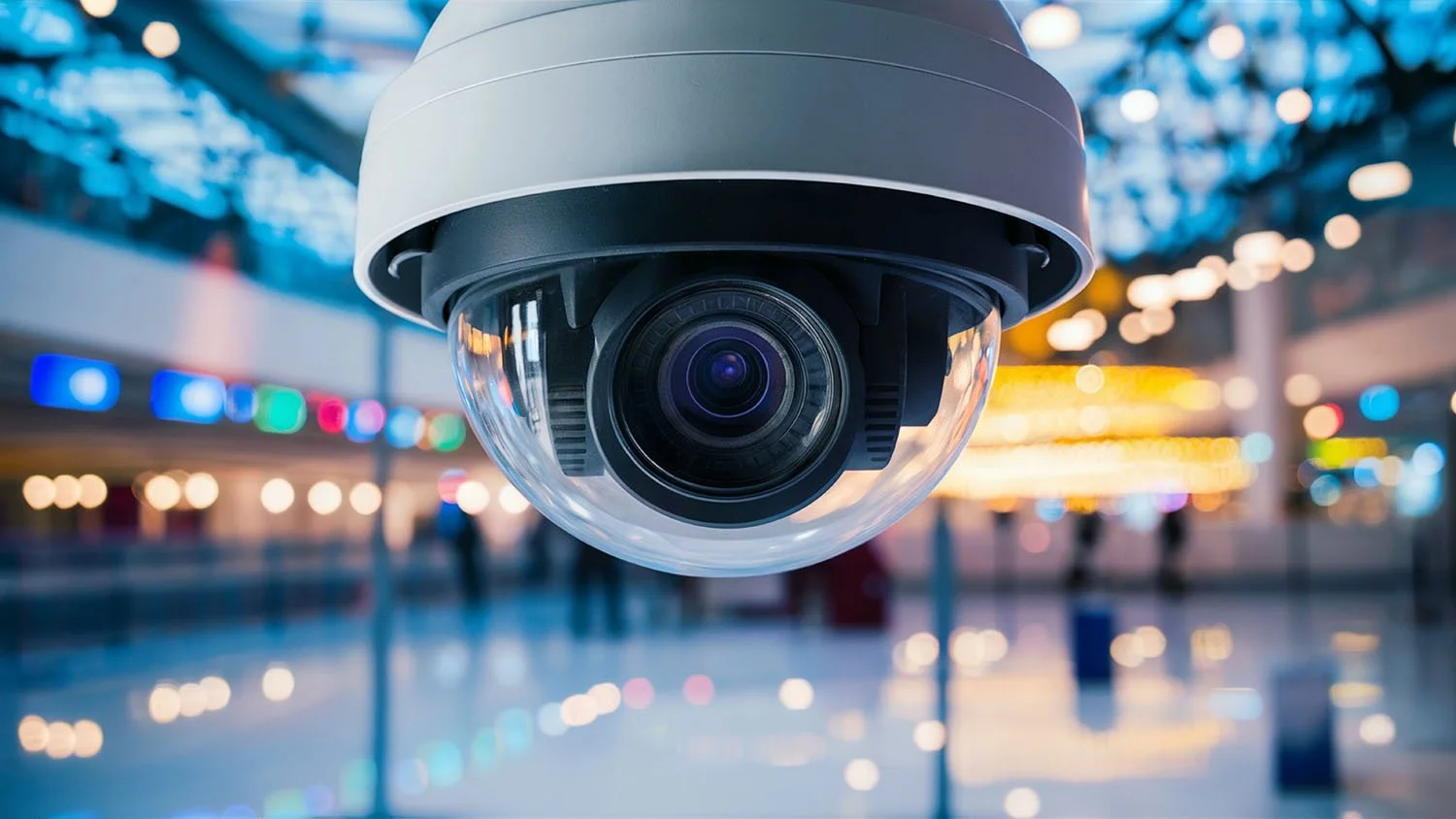
Maintaining functioning security cameras
Hiring trained security personnel when risks are known
Monitoring prior incidents in surrounding areas
Across Georgia — from Atlanta to smaller communities — negligent security claims are becoming more complex as expectations around safety continue to rise.
For injured victims, this shift can help establish liability when dangerous conditions were ignored. For businesses and landlords, it reinforces the importance of taking crime prevention seriously.
Trend #2: Major Tort Reform Changing the Legal Landscape
In 2025, Georgia lawmakers passed significant tort reform legislation known as Senate Bill 68 (SB 68), which introduced new rules impacting premises liability lawsuits statewide.
This law aims to balance growing litigation with protections for property owners, and it includes several important changes:
Higher Standards for Negligent Security Claims
Plaintiffs may now need to show that property owners had specific knowledge of security risks or prior similar crimes before liability applies.
New Legal Defenses for Property Owners
SB 68 allows certain defenses, including situations where:
The injured person was trespassing or committing a crime.
The owner reported threats to law enforcement.
The property owner took reasonable steps to address risks.
Changes to Damages and Litigation Procedures
The law also introduced procedural reforms aimed at reducing excessive verdicts and modifying how damages are presented to juries.
While these reforms may make some cases more challenging, they also clarify expectations around property safety — which can help injured individuals and attorneys build stronger, evidence-based claims.
Trend #3: Increased Focus on Lighting, Visibility, and Environmental Safety
Another evolving area in Georgia premises liability involves environmental hazards — particularly poor lighting and unsafe property conditions.
Courts increasingly look at whether property owners implemented reasonable preventative measures such as:
Adequate exterior lighting in stairwells and parking areas
Clearly marked walkways and hazard warnings
Prompt repair of broken handrails, uneven pavement, or slippery surfaces
Regular inspections and maintenance routines
Georgia law has long required owners to inspect premises and address foreseeable dangers.
However, today’s cases often emphasize whether businesses actively monitored risks instead of reacting only after someone was injured.
For example, poorly lit apartment complexes or retail centers can create conditions that lead to assaults or falls — making lighting a critical issue in many Georgia premises liability claims.
Trend #4: Expanded Liability for Security Contractors and Third Parties
Another emerging development involves who can be held responsible for unsafe conditions. In certain negligent security cases, liability may extend beyond property owners to include third-party security companies that assumed responsibility for safety.
Recent legal changes recognize that contractors hired to protect visitors may share liability if they fail to perform their duties reasonably.
This trend reflects a broader shift toward accountability across everyone involved in maintaining a safe environment — from landlords and business owners to property managers and security providers.
Trend #5: Foreseeability and Data-Driven Safety Expectations
Georgia courts are placing more emphasis on foreseeability — whether a property owner should have anticipated a dangerous condition or criminal activity.
Under newer legal standards, foreseeability may involve:
Crime reports within a certain geographic radius
Previous incidents on the property
Environmental factors such as poor lighting or lack of surveillance
Known hazards that were ignored over time
In some cases, property owners can establish a presumption of reasonable security by showing that they implemented measures like cameras, lighting, or controlled access systems.
This means both plaintiffs and defense attorneys are relying more heavily on documentation, incident history, and expert analysis when building premises liability cases in Georgia.
What These Trends Mean for Injury Victims in Georgia
If you were injured on someone else’s property — whether due to a slip and fall, negligent security, or unsafe conditions — the evolving legal landscape makes professional guidance more important than ever.
Some cases may now require stronger evidence of foreseeability or prior incidents. However, new legal interpretations also recognize broader safety responsibilities, especially when property owners fail to take proactive steps to prevent harm.
At Brandon Smith Law, we help clients across Georgia evaluate:
Whether a property owner failed to maintain safe conditions
If inadequate lighting or security contributed to an injury
Whether evolving legal standards apply to your case
How recent legislative changes impact your rights
How Brandon Smith Law Helps Clients Navigate Changing Premises Liability Laws
Premises liability claims are rarely straightforward — and evolving laws make experienced legal representation essential. Brandon Smith Law focuses on helping injured Georgians understand their legal options while building strong, evidence-based cases.
Our team investigates every detail, including:
Safety protocols and maintenance records
Security measures in place at the time of the incident
Prior complaints or criminal activity
Compliance with Georgia safety regulations
Whether your injury occurred in Atlanta, North Georgia, or anywhere across the state, our goal is to hold negligent property owners accountable and help you pursue the compensation you deserve.
Speak With a Georgia Premises Liability Attorney Today
As Georgia premises liability laws continue to evolve, understanding your rights after an injury is more important than ever. From changing negligent security standards to heightened expectations around hazard prevention and lighting, the legal landscape is shifting — but experienced legal guidance can help you move forward with confidence.
If you or a loved one has been injured due to unsafe property conditions, contact Brandon Smith Law today to learn how recent legal trends may affect your case and explore your options under Georgia law.
