
What Families Need to Know About Wrongful Death Truck Accident Claims in Georgia
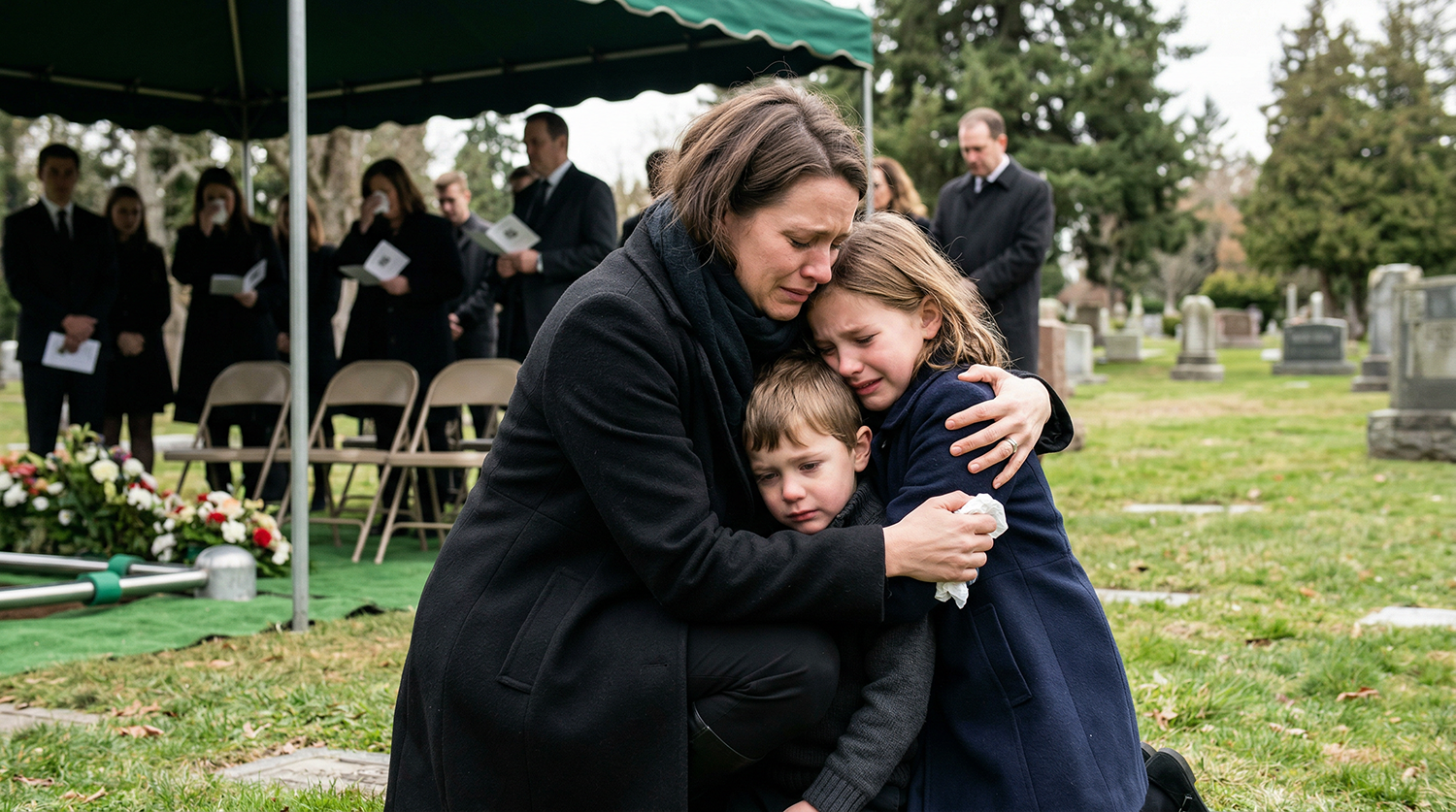
Losing a loved one in a truck accident is devastating. Beyond the grief, many families are left facing unexpected financial pressure, unanswered questions, and uncertainty about what comes next. In Georgia, surviving family members may have the right to pursue a wrongful death claim when a fatal truck accident was caused by negligence.
Truck accident wrongful death cases are often more complicated than fatal car accident claims because commercial trucking companies, federal regulations, black box evidence, and multiple liable parties may all be involved. For families across Georgia—from Atlanta and Macon to Savannah, Augusta, Columbus, and rural communities along I-75, I-85, and I-20—it is important to understand your legal rights and how these claims work.
What Is a Wrongful Death Claim in Georgia?
A wrongful death claim is a legal action brought by surviving family members when someone dies because of another party’s negligence or misconduct. In a Georgia truck accident case, that negligence may involve:
A truck driver who was speeding, distracted, fatigued, or impaired
A trucking company that failed to properly train drivers
Hours-of-service violations
Improper truck maintenance
Overloaded or improperly secured cargo
Defective truck parts
Unsafe hiring or supervision practices
Georgia law allows families to seek compensation for the “full value of the life” of the person who died. This includes both the financial value of that person’s life and the intangible value of their relationships, care, support, and companionship.
Who Can File a Wrongful Death Claim in Georgia?
Georgia law establishes a specific order for who has the legal right to file a wrongful death lawsuit:
The surviving spouse
If there is no spouse, the surviving children
If there is no spouse or children, the surviving parents
If none of those relatives exist, the estate representative may bring the claim on behalf of next of kin
If a surviving spouse files the claim and there are children involved, Georgia law requires the spouse to represent the children’s interests as well. The spouse must receive at least one-third of the recovery, regardless of the number of children.
In many Georgia wrongful death truck accident cases, disputes can arise over who should file the claim or how settlement proceeds should be divided. This is one reason families often benefit from speaking with an attorney early in the process.
What Damages Can Families Recover?
In a Georgia wrongful death truck accident case, there are often two separate legal claims:
A wrongful death claim for the surviving family
An estate claim, also known as a survival action
The wrongful death claim focuses on the value of the deceased person’s life. This can include:
Lost future income and benefits
Loss of companionship
Loss of parental guidance
Loss of care and support
The value of household services the person provided
The estate claim focuses on damages the deceased person suffered before death, including:
Medical bills
Emergency treatment costs
Conscious pain and suffering
Funeral expenses
Burial costs
Funeral and burial costs are usually recoverable through the estate claim rather than the wrongful death claim itself.
For many Georgia families, both claims are filed together to pursue the fullest possible recovery.
Why Truck Accident Wrongful Death Cases Are Different From Car Accident Claims
While any fatal crash can result in a wrongful death lawsuit, truck accident cases are often much more complex than standard car accident claims.
Multiple Liable Parties
In a typical car accident, there may only be one negligent driver. In a truck accident, there may be several parties responsible, including:
The truck driver
The trucking company
The owner of the truck
The trailer owner
A maintenance company
A cargo loading company
A freight broker
A manufacturer of defective truck parts
Identifying all potentially liable parties is critical because it can significantly impact the amount of compensation available to surviving family members.
Federal Trucking Regulations
Truck accident cases involve not only Georgia law, but also federal trucking regulations enforced by the Federal Motor Carrier Safety Administration (FMCSA).
These rules govern:
How long truck drivers can be on the road
Required rest breaks
Vehicle inspections
Maintenance requirements
Cargo securement
Drug and alcohol testing
Driver qualifications
Violations of FMCSA regulations can become powerful evidence in a wrongful death claim. For example, if a trucking company pushed a driver to exceed legal driving hours, that may support claims of fatigue-related negligence.
Black Box and Electronic Evidence
Commercial trucks often contain black box data, electronic logging devices, GPS records, dash camera footage, maintenance records, inspection reports, and driver logs.
This evidence can help show:
How fast the truck was traveling
Whether the driver braked before impact
Hours-of-service violations
Mechanical problems
Unsafe driving behavior
Route history and driver activity
However, trucking companies are not required to preserve this information forever. Some data may be lost, overwritten, or destroyed within days or weeks after the crash. That is why acting quickly is so important in a fatal truck accident case.
Higher Insurance Coverage and More Aggressive Defenses
Commercial trucks are usually covered by much larger insurance policies than passenger vehicles. In some cases, trucking companies may carry $1 million or more in liability coverage.
Unfortunately, larger insurance policies also mean trucking companies and their insurers often fight harder to reduce or deny claims. They may send investigators to the crash scene within hours, gather evidence, interview witnesses, and begin building a defense immediately.
For grieving families, it can be overwhelming to deal with aggressive insurance adjusters while also trying to mourn the loss of a loved one.
How Long Do Families Have to File a Claim?
In Georgia, the statute of limitations for most wrongful death claims is generally two years from the date of death.
However, certain circumstances can affect this deadline. For example, if there is a criminal investigation, estate administration issues, or disputes about who has standing to file, the timeline may be extended or paused. Missing the deadline can prevent a family from recovering compensation altogether.
Because truck accident investigations can take time, it is usually best for families to begin the legal process as soon as possible.
Why Local Georgia Experience Matters
Truck accidents happen throughout Georgia, especially along major commercial routes like I-75, I-85, I-20, I-16, and the perimeter around Atlanta. Fatal crashes involving tractor-trailers are common near shipping hubs, warehouses, industrial corridors, and heavily traveled freight routes.
A Georgia truck accident wrongful death claim requires knowledge of:
Georgia wrongful death laws
Georgia courts and local procedures
Federal trucking regulations
Commercial insurance policies
Accident reconstruction experts
Trucking company evidence preservation
Brandon Smith Law understands the unique challenges families face after losing a loved one in a fatal truck accident. By acting quickly to preserve evidence, identify all liable parties, and pursue both wrongful death and estate claims, families can protect their rights and seek accountability during one of the most difficult times in their lives.
If your family has lost someone in a fatal truck accident anywhere in Georgia, it is important to speak with an attorney before accepting an insurance settlement or signing any documents from the trucking company.
